Huerta & Horchata
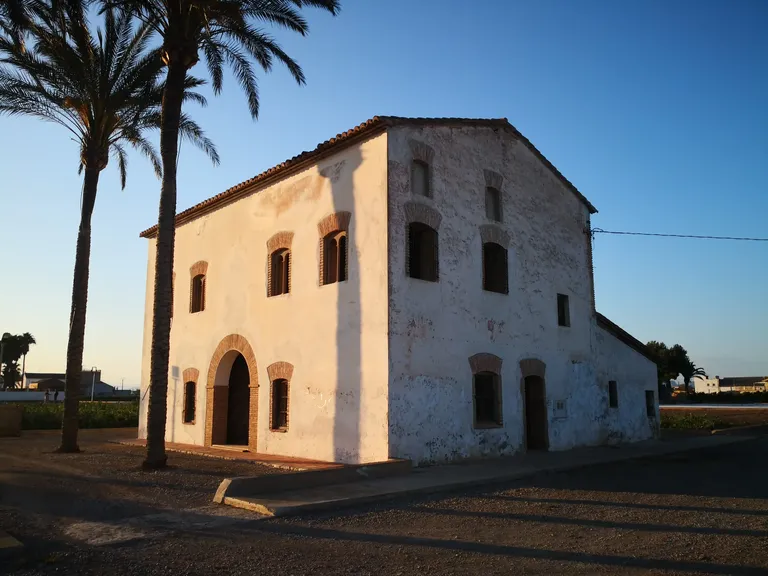
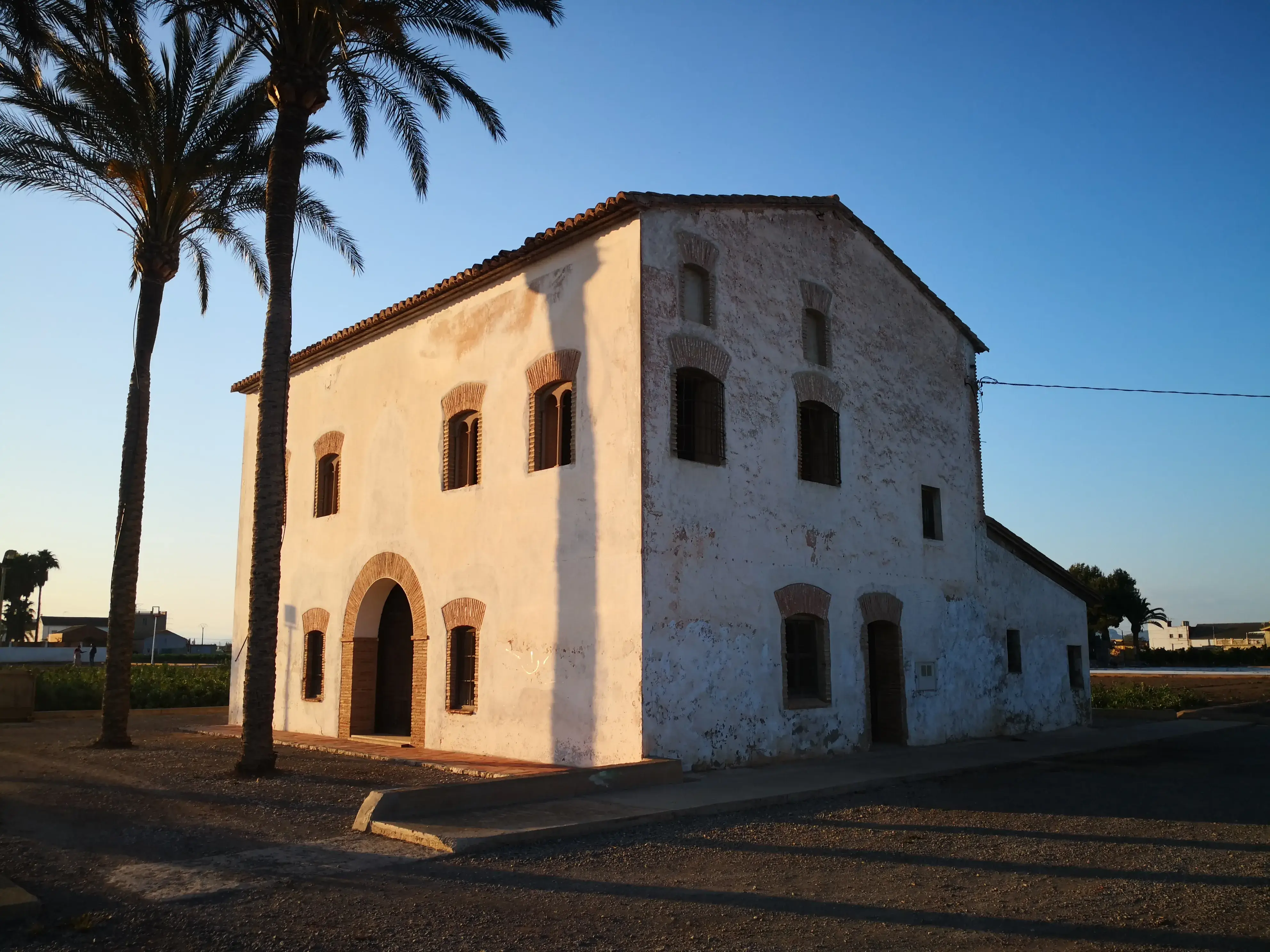
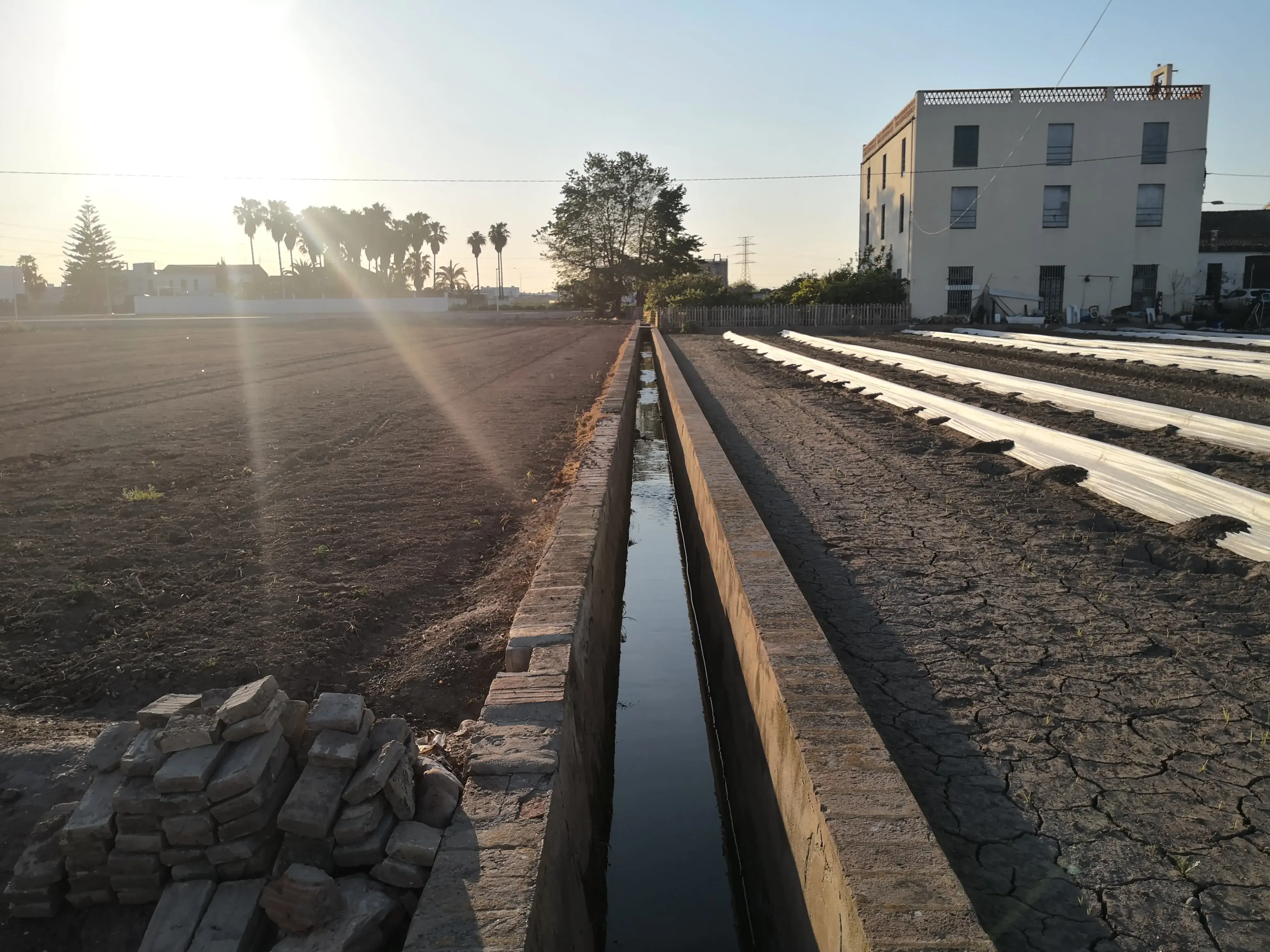
The agricultural tradition of the Valencian region is deeply rooted in its history, dating back to Roman times, with the Arab influence playing a significant role in revitalizing the area's irrigation systems. The cultivation of various crops, including the African-originated chufa, is especially prominent in the northern huerta, which provides the base for the production of horchata.
Tour Variations
Huerta & Horchata
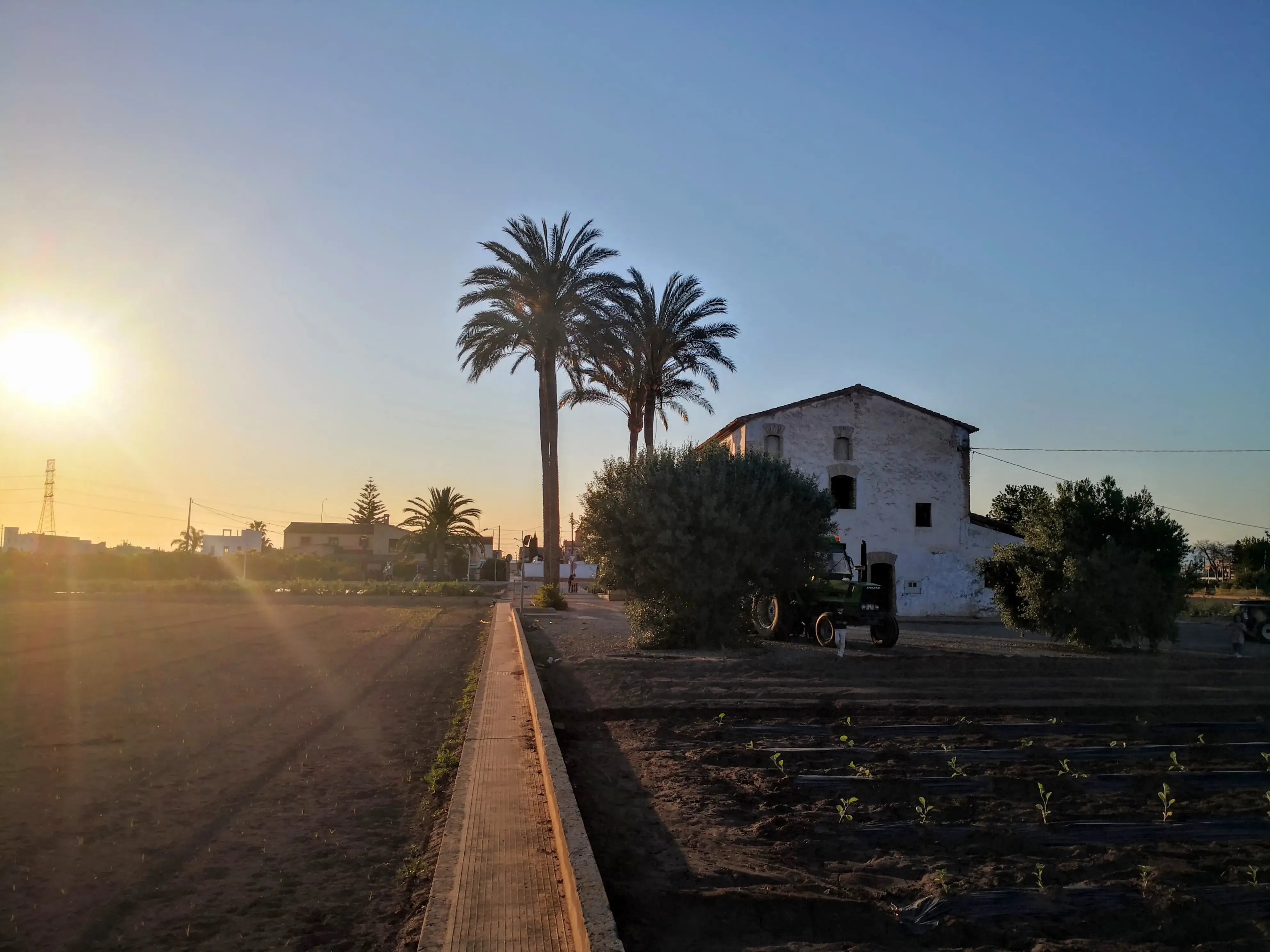
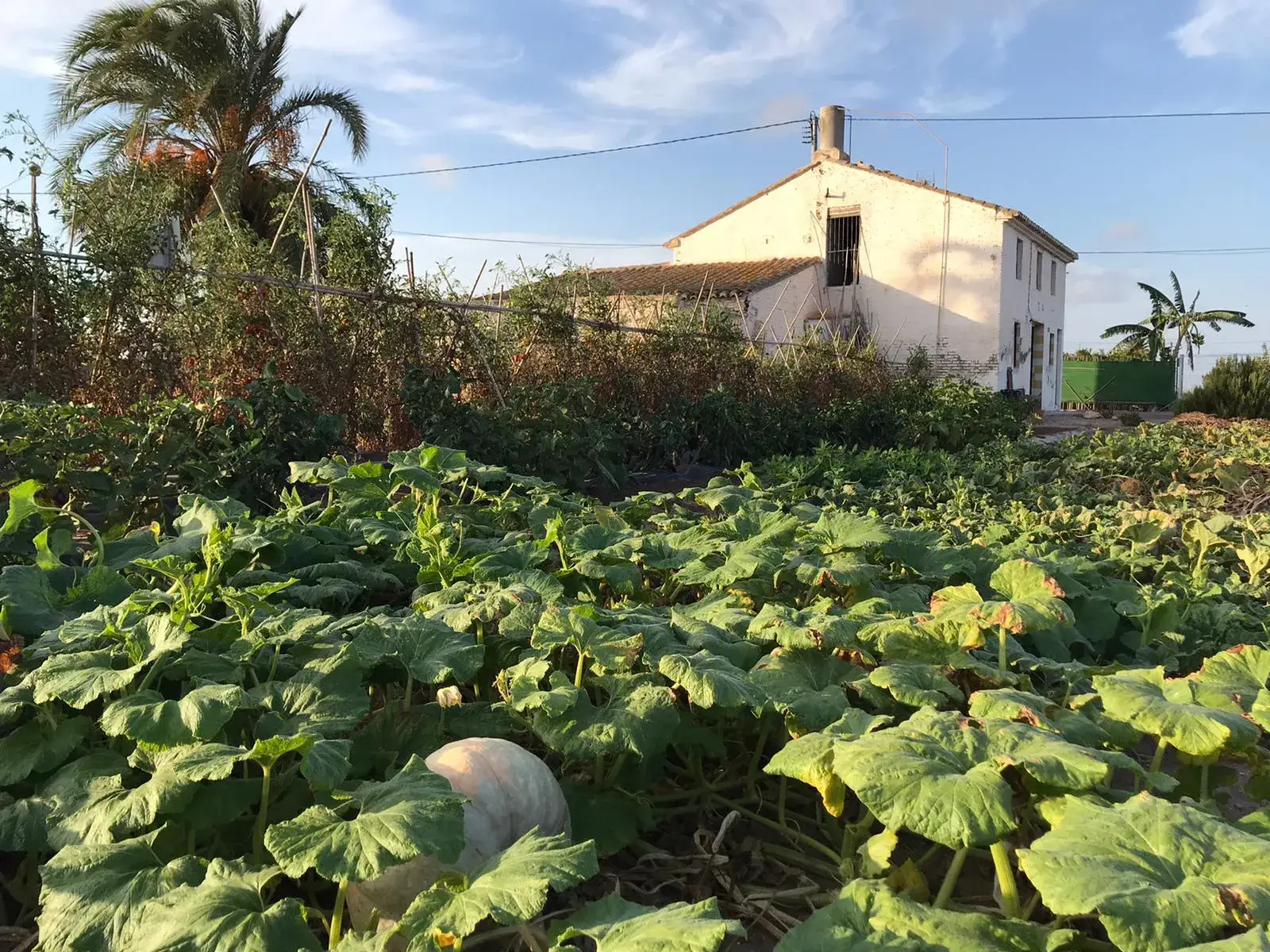
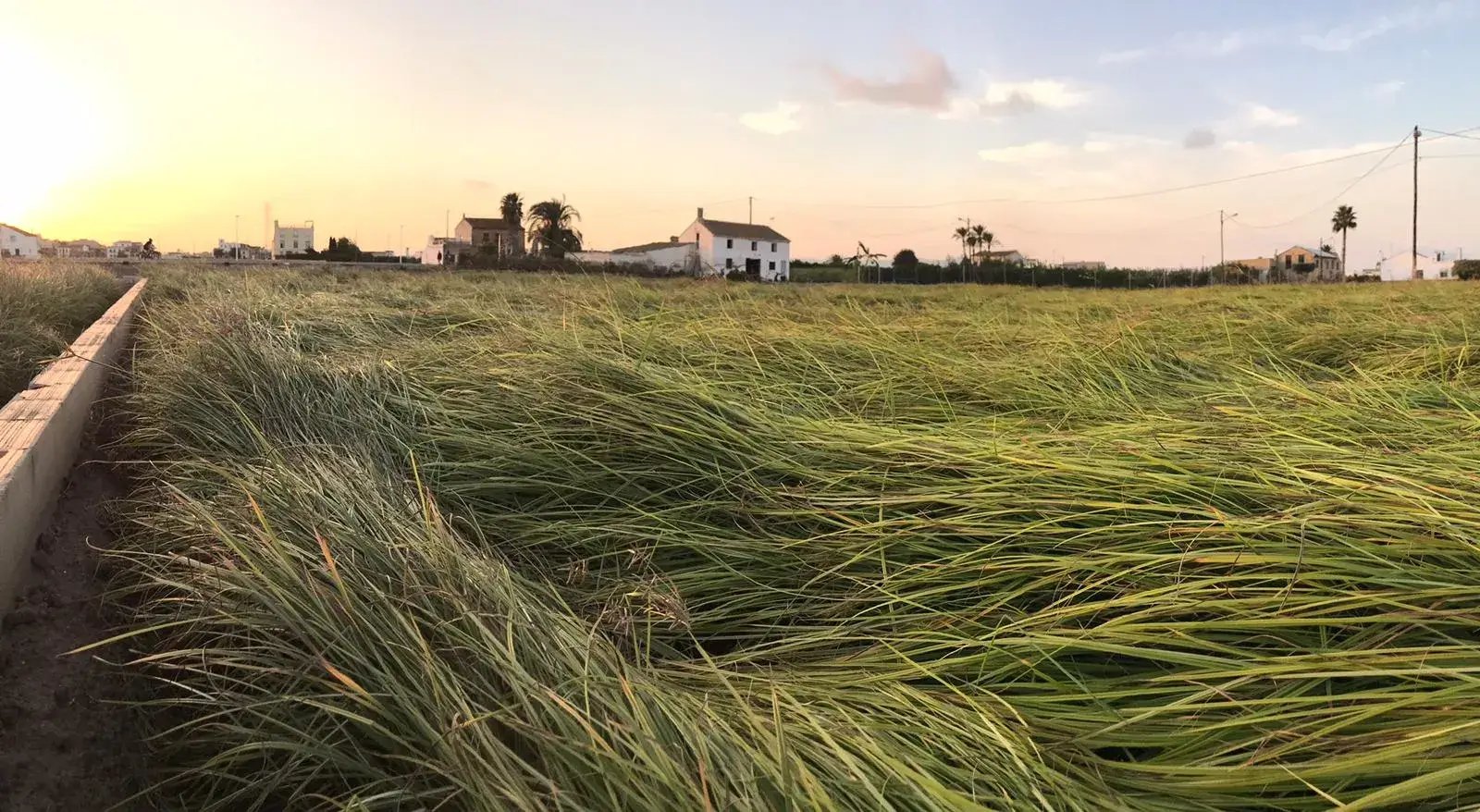
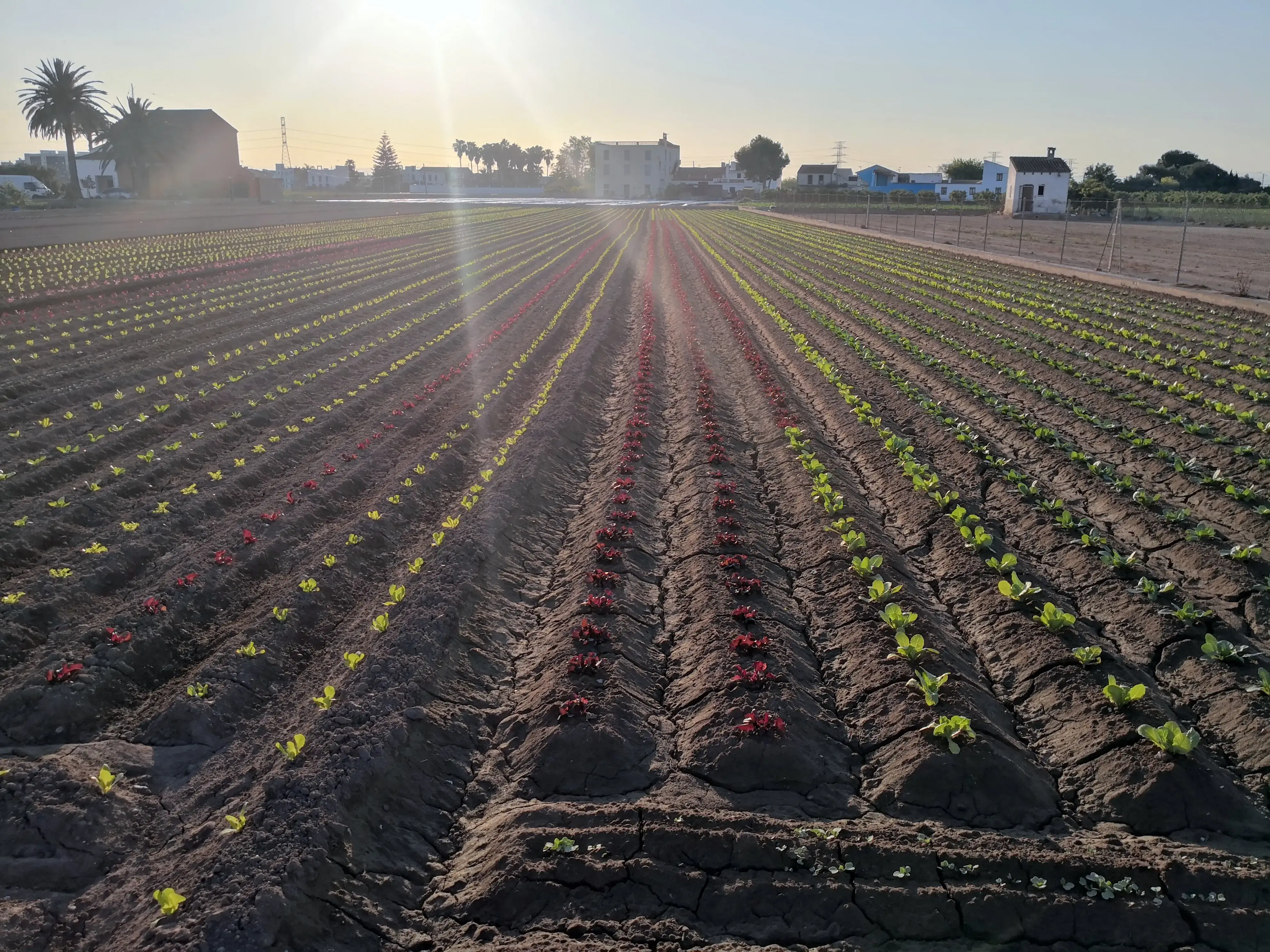
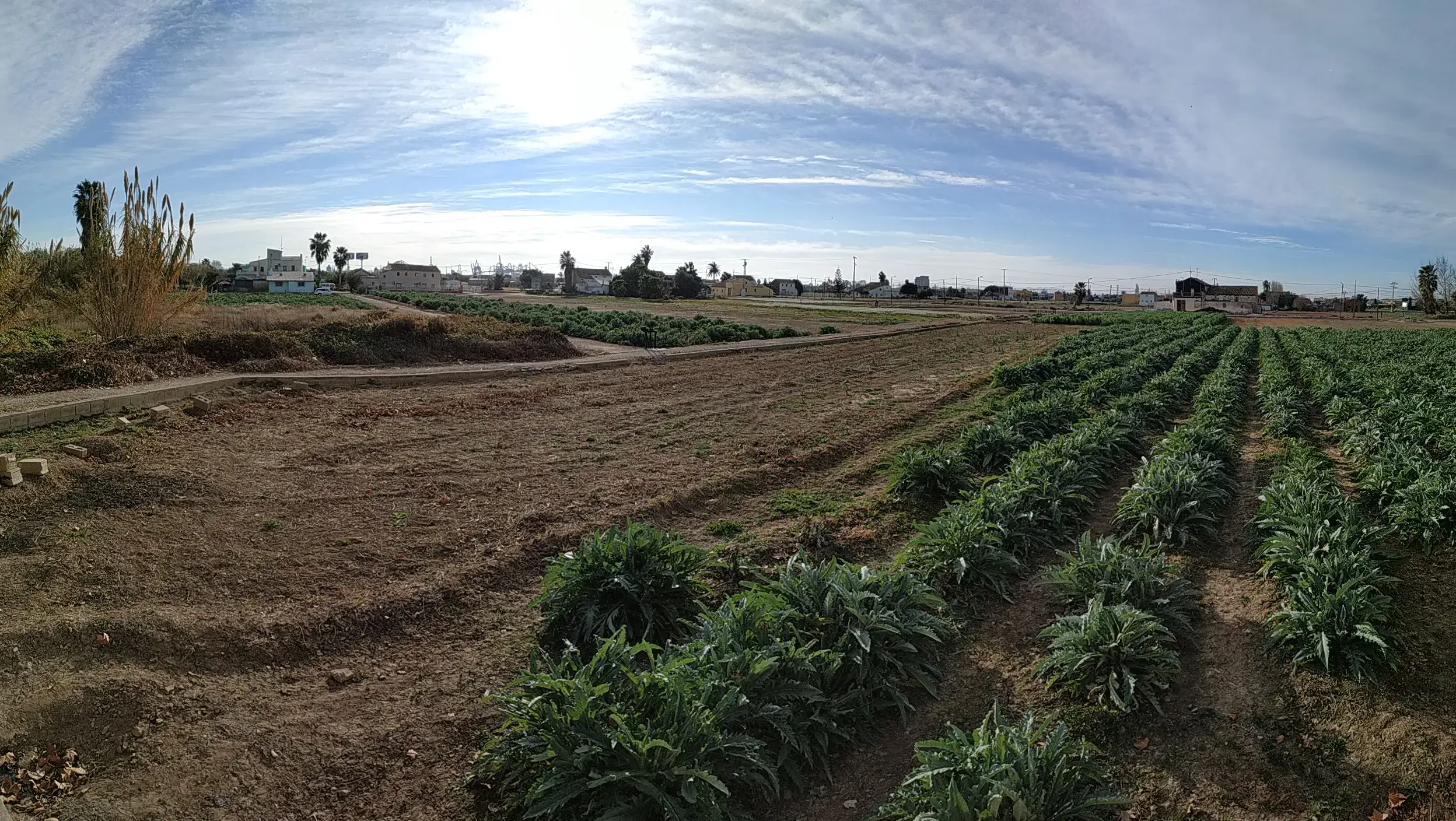
Valencia has a rich agricultural heritage, with its temperate climate and fertile land making it a key agricultural center since Roman times. Romans initially introduced irrigation techniques, but these systems fell into disuse with the fall of the Roman Empire. Later, the Arabs restored and improved these systems, leaving a lasting impact on the region's agricultural landscape. The area surrounding Valencia, known as the huerta, is characterized by small-scale farming. This land, particularly the northern huerta, is used to grow a variety of seasonal crops such as potatoes, onions, tomatoes, and peppers. A notable crop is the chufa, a tuber introduced by the Arabs from Africa during the medieval period. The chufa is grown in the summer months and harvested by November, primarily for the production of the famous Valencian drink, horchata. The huerta serves as a rural escape, offering a glimpse of the structured agricultural environment just minutes from the city.
Duration: 3 hours